High pressure, shifting genetics, and the need for balance
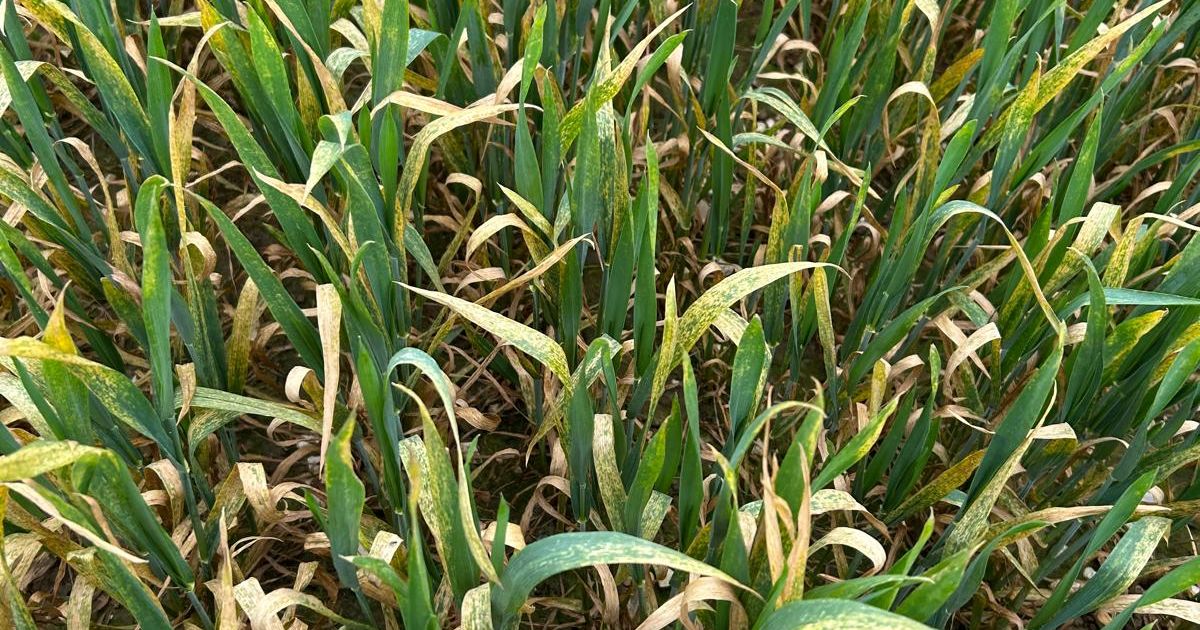
The 2026 season has delivered near-perfect conditions for yellow rust development. A very mild winter followed by warm, settled spring weather has created an environment where the disease has been able to establish early and spread rapidly. Across trials and commercial crops, the result has been widespread infection, with some plots taking on the bright yellow appearance as characteristic stripes of pustules cover leaves.
At Elsoms, our trial sites are reflecting this national picture. Disease pressure is high, and differences between varieties are being clearly exposed. These conditions provide a valuable insight into how varieties respond under high disease pressure and reinforce some important messages for growers.
Why yellow rust has been so severe
Two key factors have combined this season:
Weather conditions: Mild winters allow the pathogen to survive through the season, while warm spring temperatures accelerate disease development. Yellow rust thrives under these conditions, multiplying quickly and spreading fast.
A shift in resistance genetics: The breakdown of the YR15 resistance gene during the 2025 season has had a significant knock-on effect. Many modern varieties previously relied on this gene for strong early (seedling) resistance.

Yellow rust observed in control varieties
The result is that very few current varieties now demonstrate meaningful seedling resistance. Instead, most rely on adult plant resistance, which only becomes effective later in the season and may not kick in until flag leaf emergence. This creates a vulnerable window where crops are exposed to early infection, exactly what we have seen in 2026.
Compounding this is the nature of the pathogen itself. Yellow rust is not a single, static disease, it consists of multiple races that evolve and shift over time. This means that the performance of a variety can vary significantly between seasons and locations, depending on which races are dominant.

What we’re seeing at Elsoms
Under high disease pressure in our untreated and lightly treated plots, varietal differences have been clear.
Strong adult resistance coming through
Some varieties have shown early susceptibility, with visible infection at the start of the season, but have then “grown away” from the disease as adult plant resistance has developed. In these cases, crops are now recovering well, maintaining green leaf area and continuing to perform.
This is particularly relevant in a post-YR15 landscape. Early infection is now more common, but it does not always translate into significant yield loss—provided resistance mechanisms activate and crops are managed correctly.
Varieties under greater pressure
In contrast, we have seen some varieties suffer heavy infection, with yellow rust progressively spreading up the canopy. In these cases:
Green leaf area has been significantly reduced
Recovery has been limited
Yield potential is likely to be impacted
This highlights the importance of understanding varietal resilience under sustained disease pressure, not just early-season symptoms.
Spotlight on key varieties
Bamford
Bamford has picked up some yellow rust this year, particularly early in the season when seedling resistance is limited across the board. However, this has been manageable. As the crop has developed, adult plant resistance has come into effect, stabilising the situation.

With appropriate fungicide support and good agronomy, Bamford remains a dependable option. There is no indication from our observations that yellow rust presents an unmanageable risk in this variety.
Sparkler
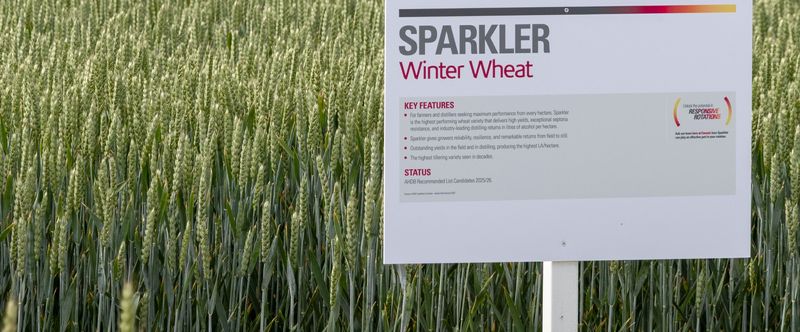
Sparkler has performed particularly well in our trials. Even with limited fungicide input, it has maintained a strong green leaf area.
In a season where early infection has been widespread, Sparkler’s ability to hold its green leaf area and continue performing is a very positive sign of its underlying resilience.

The importance of control strategy
In a season like this, especially following the loss of widespread seedling resistance, management becomes even more critical:
- Start with varieties that have good overall resistance profiles
- Remove the “green bridge” (volunteer cereals and grasses) to lower disease carryover
- Take extra precaution with late drilled crops, as they will not reach a growth stage where adult plant resistance kicks in as early in the season.
- Monitor crops closely, particularly in spring
- Apply fungicides early and proactively. As our technical manager Ben Urquhart says - “see it, spray it, sort it”.
Yellow rust is not a disease to chase. With early susceptibility now more common, timely intervention is essential to stop the disease establishing before adult resistance takes effect.
Maintaining green leaf area is critical. Leaves act as the crop’s “solar panels,” driving photosynthesis and ultimately yield. Where rust removes that green area, yield potential is compromised.
Don’t let Yellow Rust dictate decisions
The prominence of yellow rust this season—combined with the loss of YR15-driven resistance—makes it highly visible and, at times, concerning. However, the key message remains:
Do not let yellow rust alone determine your variety choice.
Variety selection must always be based on a balanced assessment of features, including:
- Resistance to multiple diseases (including Septoria and brown rust)
- Overall agronomic performance and consistency
- End-market requirements and quality
- Fit within your farming system
Overreacting to one disease or one season risks overlooking strong, well-rounded varieties that can still perform exceptionally well when managed correctly.
Final thoughts
The 2026 season has highlighted both the speed at which yellow rust can develop and the impact of shifting resistance genetics following the breakdown of YR15.
At Elsoms, the message is clear: while early infection is now more common, it is also manageable with the right combination of variety, agronomy, and fungicide strategy.
Above all, success lies in maintaining balance—choosing varieties for their full package of traits, not being led by a single disease, and adapting management to the realities of a changing pathogen landscape.