
Bamford’s route to farm: why there are no shortcuts in plant breeding
When a variety reaches the Recommended List, it can appear straightforward. A strong yield, good scores, and a safe choice. But the reality is far more complex.
Varieties like Bamford are not “lucky” to be there. They have earned their place through years of repeated testing, often over seven or eight seasons, proving performance time and again across different environments.
At Elsoms, this journey reflects our core principle: “unlocking the power of plants.” It’s about identifying potential and turning it into dependable, real-world performance across the entire supply chain.
The long, data-driven journey

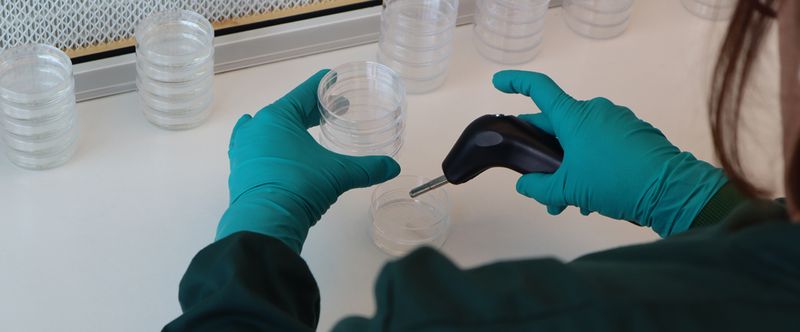
Every variety begins with thousands of potential breeding lines. Through multiple stages of selection and trialling, only a small number progress:
- Early genetic selection removes weak performers
- Advanced trials assess yield, disease resistance, and agronomy
- Multi-site, multi-year testing builds a full performance picture
- Only the most consistent lines reach Recommended List candidacy
By the time a variety is available commercially, it has been tested far beyond a single season or site. That depth of data underpins confidence for growers, agronomists and the wider industry.
No shortcuts
Breeding is about selecting winners, but “winning” isn’t defined by yield alone.
While yield remains a major driver, Elsoms focuses on developing varieties that deliver value across different situations and users. Some varieties may not top the Recommended List on average performance, but offer advantages through stronger disease resistance, better performance in lower-input systems, adaptation to changing climate pressures, different maturity profiles, regional suitability or specific end-market requirements.
Because RL data is based on averages, these strengths are not always obvious. However, they can be highly valuable in the right context.
Our role as breeders is not just to chase headline figures, but to identify where a variety fits and whom it benefits—from merchant to agronomist, farmer to end user and retailer.
Trialling with purpose and transparency
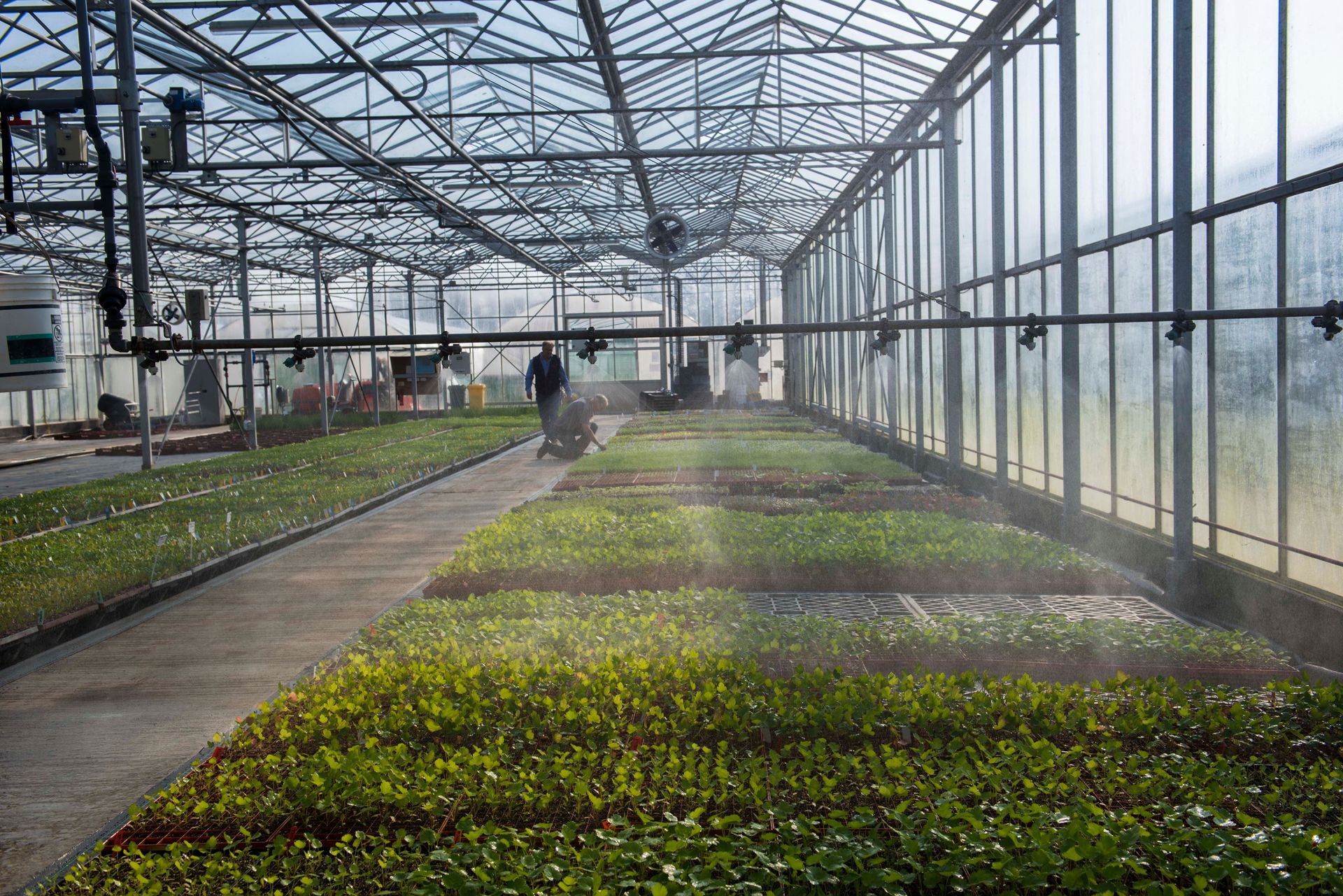
Our trial programmes are designed to reflect real farming conditions, testing variables such as:
- Seed rates
- Agronomy strategies
- Seasonal and regional differences
- Treated and untreated scenarios
A key part of this approach is Elsoms Horizons, our annual private event for agronomists and merchants. Horizons provides direct access to a wide range of trial work, covering untreated plots, fully managed crops and more.
We deliberately avoid presenting a “perfect” picture. By sharing untreated results openly, we ensure agronomists can see how varieties perform under pressure—giving them the confidence to make informed, trusted recommendations on farm.
Breeding for the whole supply chain
Unlocking the power of plants means thinking beyond the field.
Elsoms focuses on breeding varieties that work across the entire supply chain, ensuring they meet the needs of:
- Farmers looking for reliable, high-performing crops
- Agronomists advising on risk and management
- Merchants handling and marketing grain
- End users and processors with specific quality requirements
A strong example of this is Buccaneer barley. It combines exceptional yield with malting quality, achieving MBC approval. That balance makes it valuable not just on farm, but all the way through to maltsters, brewers and retailers—an achievement we’re particularly proud of.
From field to glass: celebrating the journey
To bring this idea to life, we brewed our own beer using Buccaneer barley for the Cereals event—a one-off industry showcase.

It was a small but meaningful way to represent the full journey:
from breeding and trials, through production, to a finished product enjoyed by end users.
The beer served as a reminder that plant breeding is not just about growing crops—it’s about delivering outcomes that resonate throughout the entire supply chain.

Why plant breeding matters
It is easy to underestimate what goes into developing a new variety. Behind each one lies:
- Years of research and field testing
- Significant financial investment
- Deep technical expertise
Without this ongoing investment, progress in yield, resilience, and quality would stall. With the available chemistry becoming more limited and the increased need to justify chemical applications, plant breeders play a critical role in shaping and protecting the future of agriculture.
Unlocking the power of plants
The journey to recommendation is long, selective, and rigorous, and it to ensures that every variety has been thoroughly proven before reaching farm scale.
At Elsoms, unlocking the power of plants means delivering more than strong genetics. It means providing varieties that are understood, trusted, and fit for purpose, whether that’s broad-acre performance or a specific role within the supply chain.
Because ultimately, success is not defined by a single number, but by how well a variety performs for everyone who depends on it.