
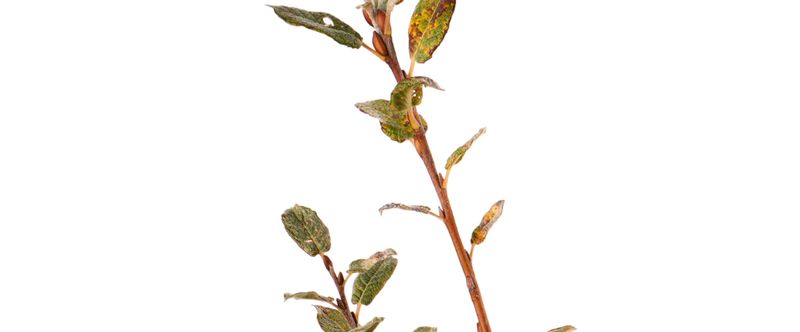
Downy Willow (Salix lapponum)
Boreal willow suited to cold, exposed sites; ideal for upland restoration.
Our broadleaf species are produced with provenance at the heart - ideal for woodland, hedging, agroforestry and amenity projects.
Available in these regions only:
Varieties may differ within regions
Available in these regions only:
Varieties may differ within regions
Boreal willow suited to cold, exposed sites; ideal for upland restoration.

Hardy northern willow with glossy dark foliage; tolerates cold, wet ground.

Aromatic leaves; thrives on damp soils; good in cool, exposed sites.
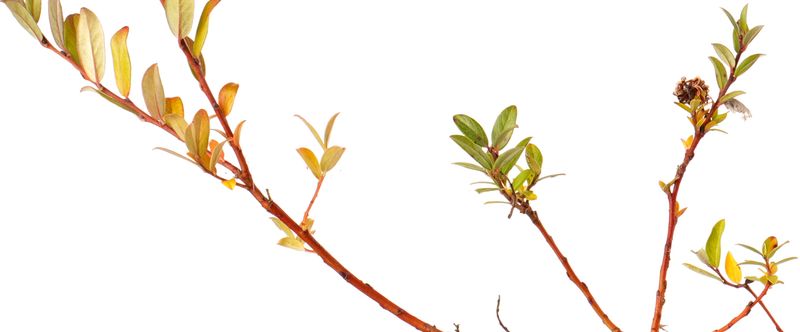
Low, spreading willow of dunes and moors; binds soils and tolerates exposure.
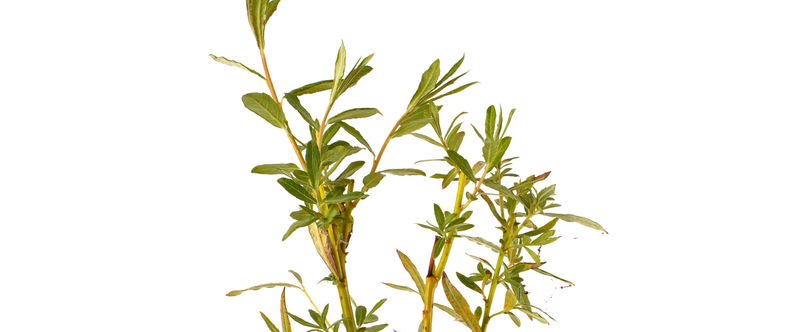
Vigorous basket willow; thrives on damp ground; great for coppice and biofuel.
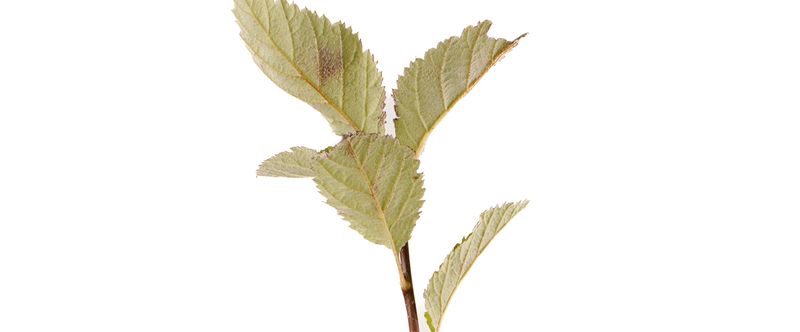
Sun‑loving tree for chalk and dry slopes; white‑felted leaves and red berries.

Superb upland tree with white blossom and red berries; very hardy and wind‑firm.
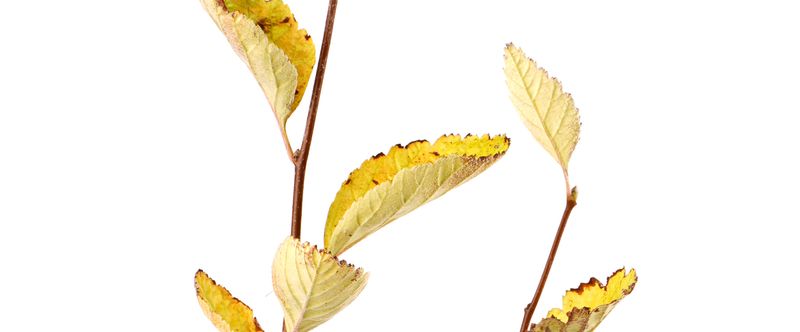
Tough street and landscape tree; drought and wind tolerant; orange‑red fruit.

Rare, handsome tree of ancient lowland woods; striking maple‑like leaves and fruit.
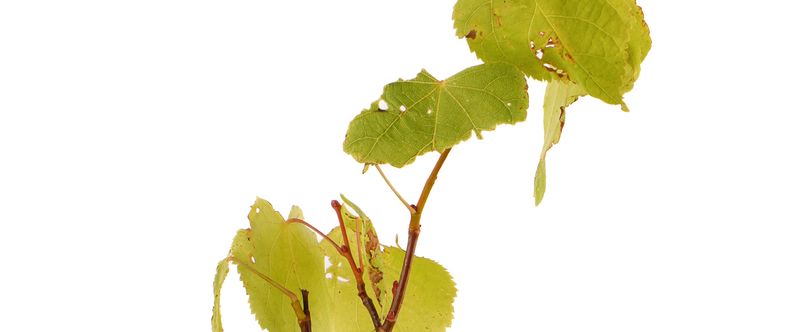
Graceful shade tree for fertile soils; nectar‑rich flowers loved by pollinators.
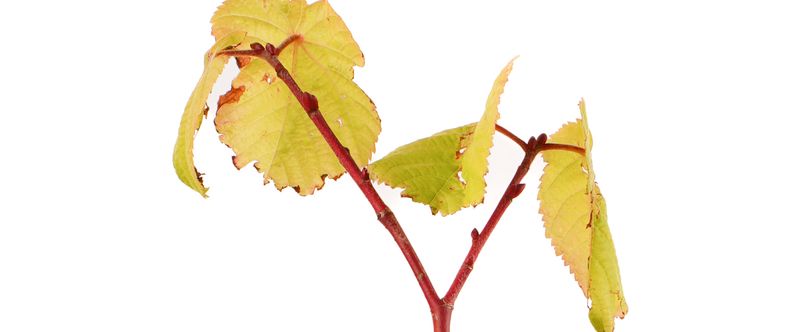
Broad‑crowned lime for parks and avenues; fragrant summer flowers.

Robust native elm of the north and west; tolerates exposure and moist soils.
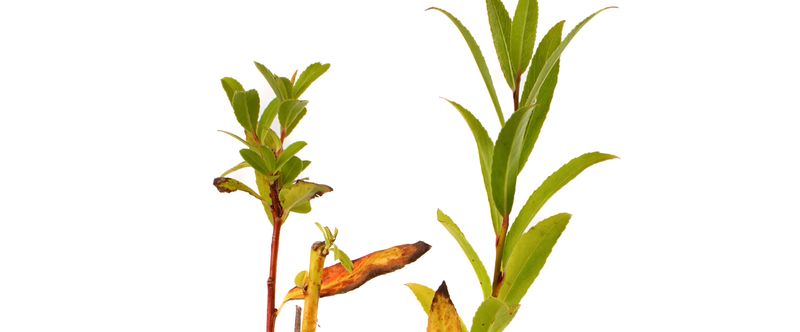
Rapid riverside growth; flexible branches; used for bank stabilisation and shelter.
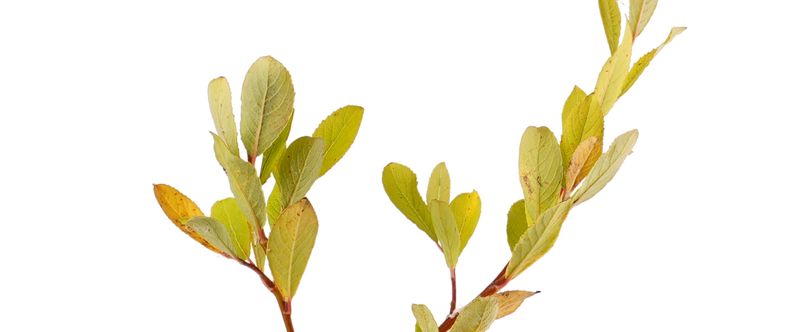
Moisture‑loving shrub or small tree for wetlands and upland fringes; good habitat value.
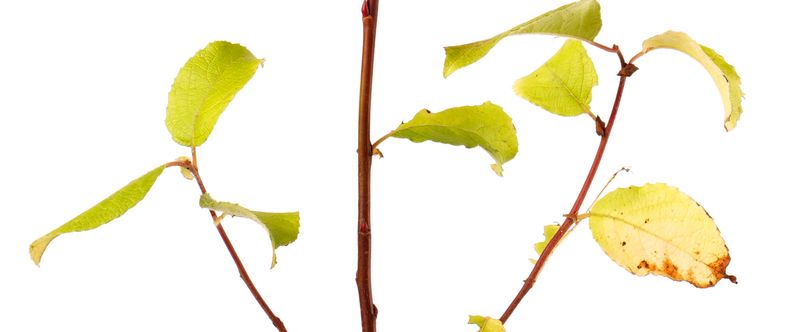
Tough pioneer willow; early catkins for pollinators; thrives on a range of soils.

Hardy, shrubby willow for wet upland sites; great for shelter and biodiversity.
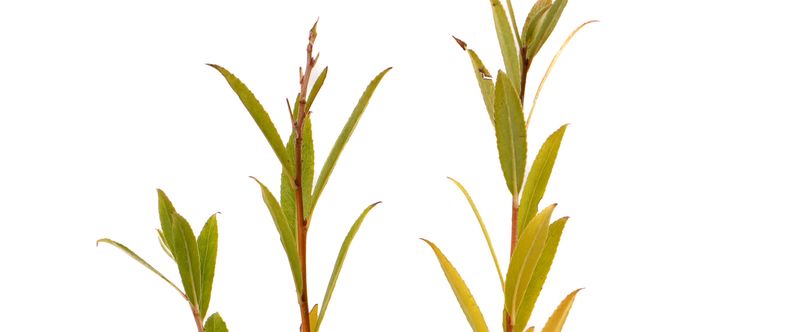
Fast riverside tree for wet ground and pollards; excellent for bank stabilisation.
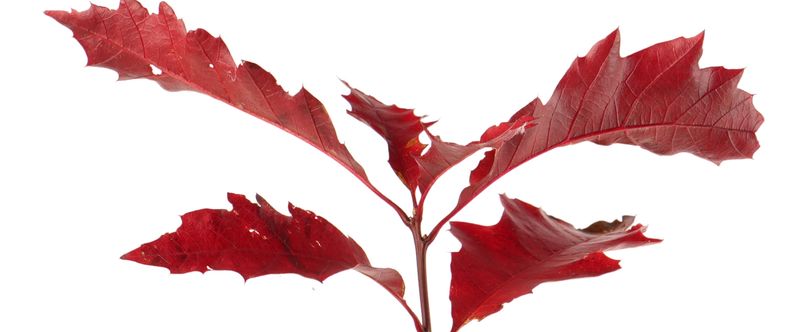
Fast‑growing North American oak with vivid autumn colour; tolerates a wide range of soils.

Hardy broadleaf suitable for a wide range of UK sites; choose soils and exposure to match species needs.
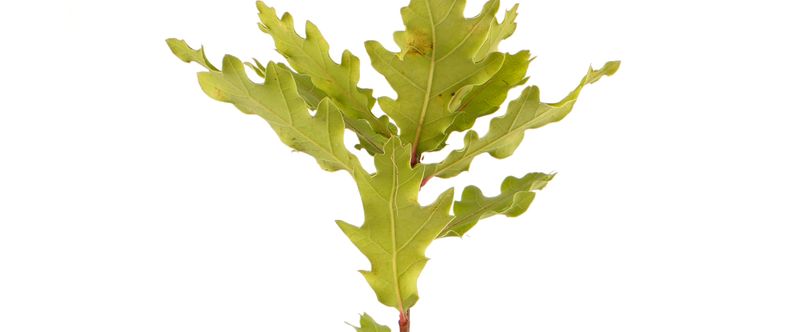
Upland oak; strong timber; supports high biodiversity; tolerant of poorer soils.
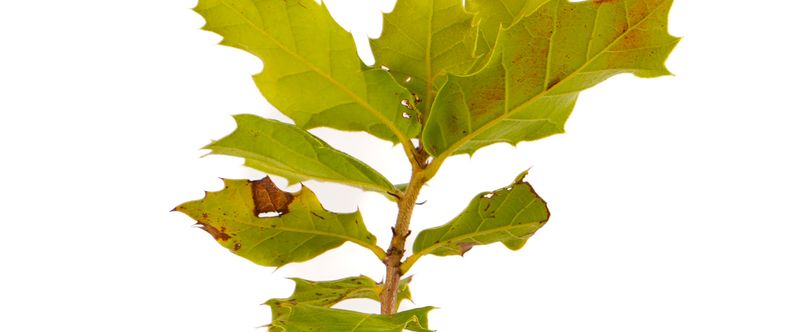
Coastal, drought‑tolerant oak with leathery leaves; excellent for shelter in mild areas.
Small, thorny tree with spring blossom and hard fruits; prefers warm, well‑drained sites.

Fragrant spring flowers and black fruit; thrives on moist soils, including uplands.
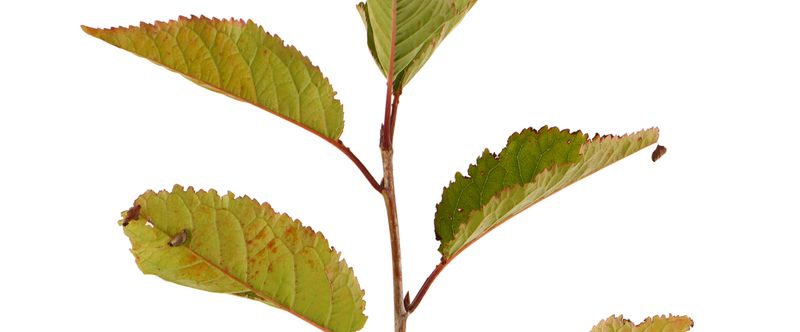
Showy spring blossom and shiny bark; good timber and early nectar for pollinators.
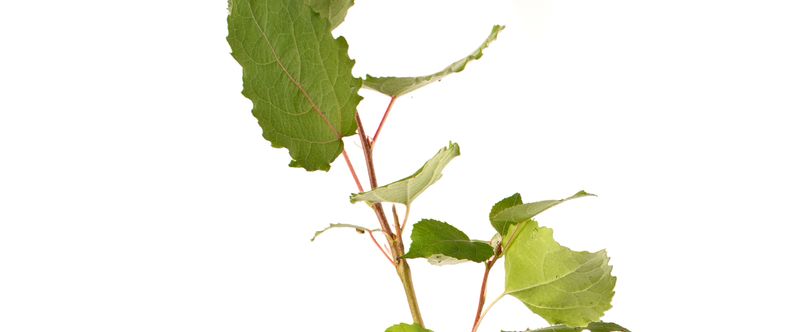
Fast, suckering poplar; golden autumn colour; valuable for biodiversity and upland planting.
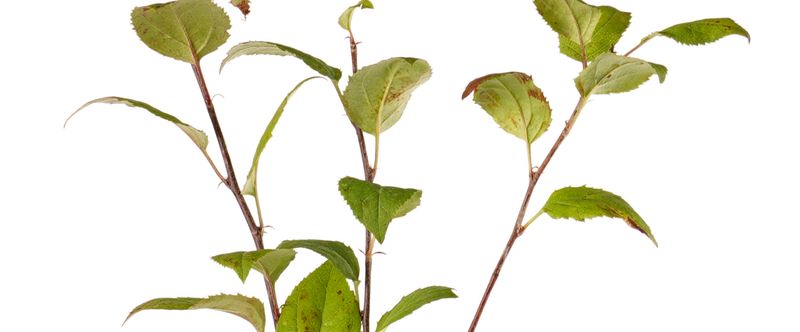
Blossom‑rich small tree for pollinators; crab apples for jelly and wildlife; great in orchards.
Evergreen with glossy spiny leaves; berries for birds; excellent dense hedging and shade tolerant.
Stately native for shelter belts and hedging; dense shade and copper autumn colour.
Dramatic beech with deep purple foliage; superb specimen or formal hedge.
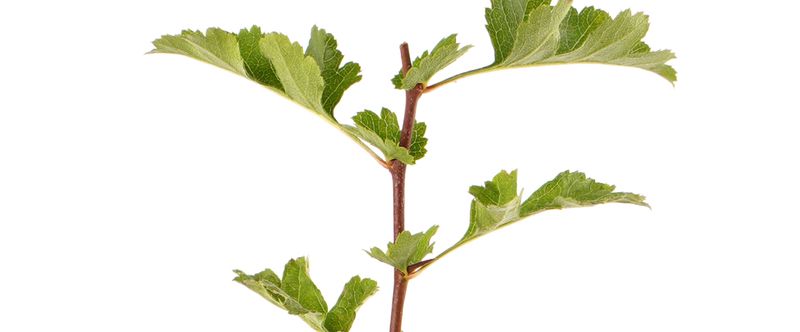
Classic stock‑proof hedge; profuse spring blossom and autumn berries; excellent for wildlife.
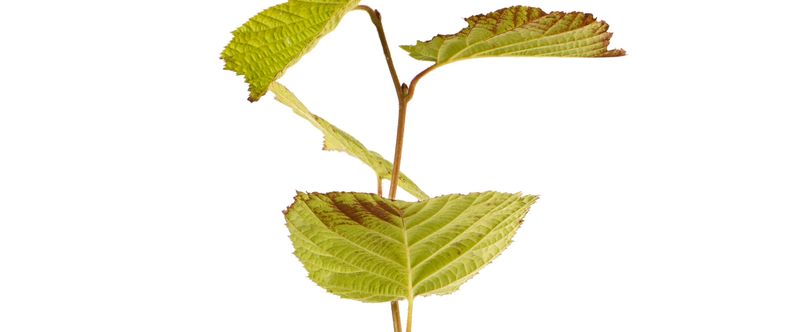
Versatile coppice species; catkins in late winter; nuts for wildlife; great in hedges and shelter.

Large, long‑lived tree with edible nuts; prefers warmer, well‑drained sites.
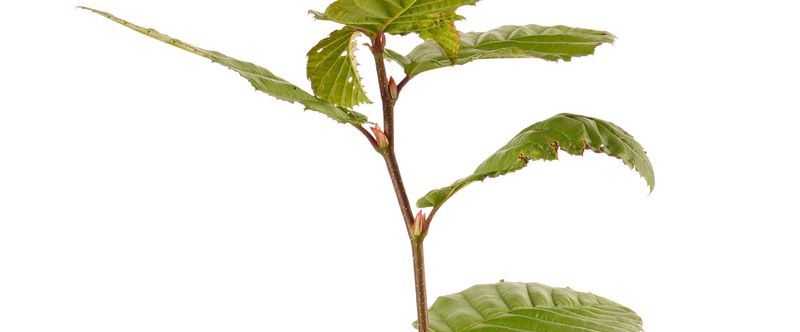
Dense, durable hedge or woodland tree; holds brown leaves in winter; thrives on chalk and clay.
Tolerant of cold, wet and exposed ground; great for upland sites and peat restoration.
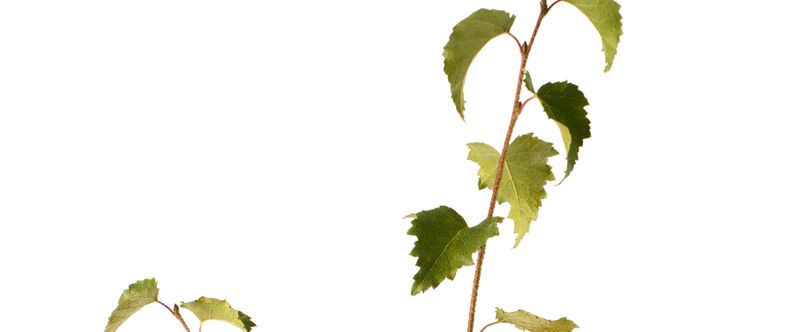
Silver birch: elegant, light‑canopy tree; tolerates poor soils; excellent pioneer and wildlife species.
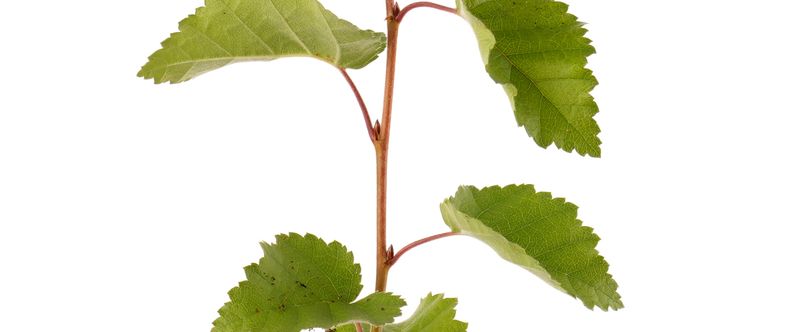
Hardy upland birch with high wind tolerance; good for shelter and biodiversity at elevation.
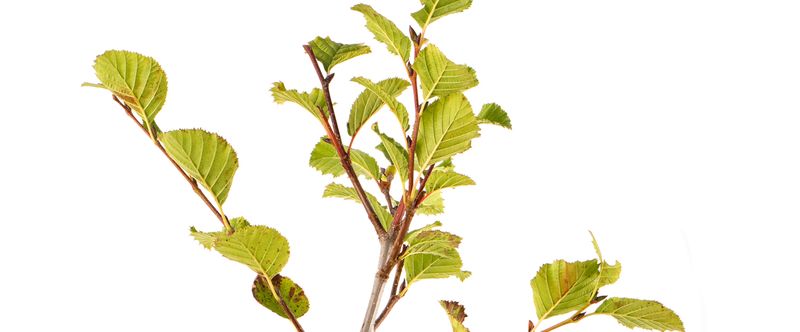
Multi‑stemmed, shrubby alder of uplands; excellent for slope stabilisation and shelter.

Fast North American alder; thrives on moist soils; improves fertility through nitrogen fixation.
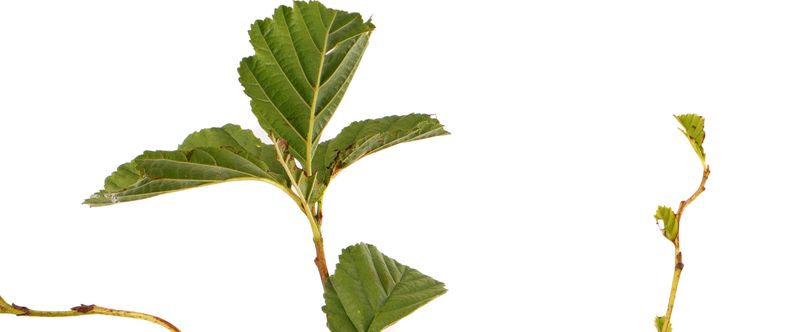
Quick-growing, cold‑hardy alder for poor or stony sites; excellent stabiliser.
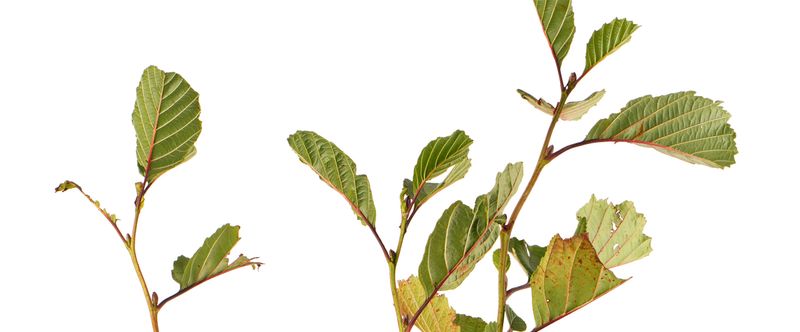
Riverside native; thrives in wet ground; fixes nitrogen and supports wildlife.
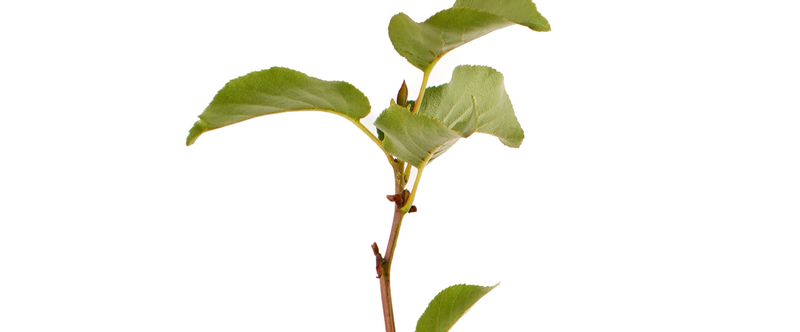
Fast, nitrogen‑fixing tree for difficult, dry soils; good for shelter belts.
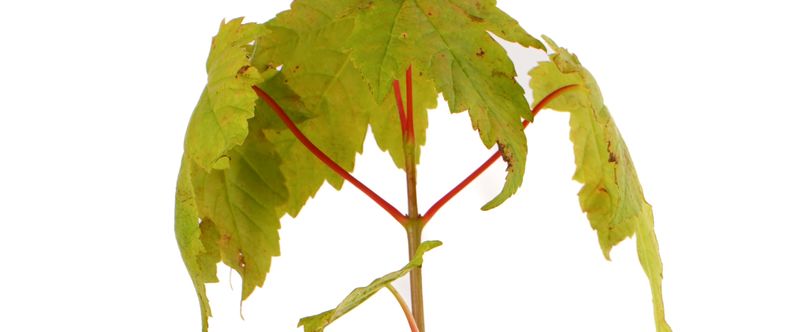
Vigorous, wind‑tolerant maple; tough in exposed sites; valuable shelter and timber.
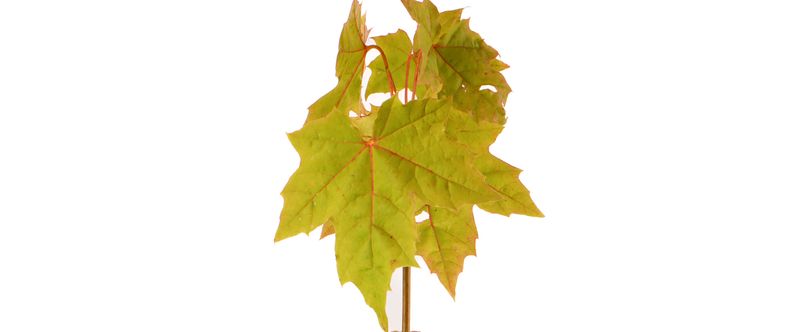
Hardy, fast-growing shade tree with showy yellow-green spring flowers; urban-tolerant.
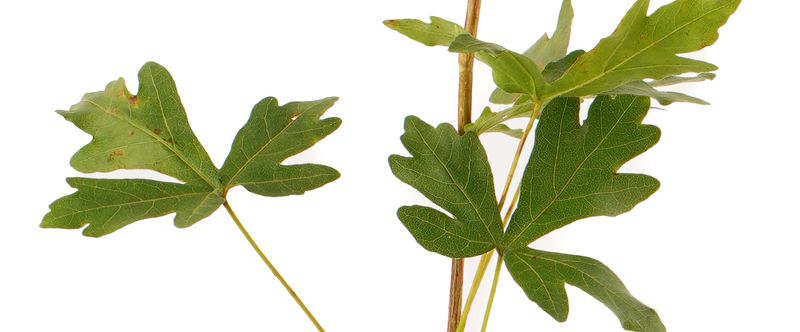
Compact native maple for hedges and small woodlands; yellow autumn colour; tolerant of pruning.
Speak to one of our expert team members to find the right variety for you.
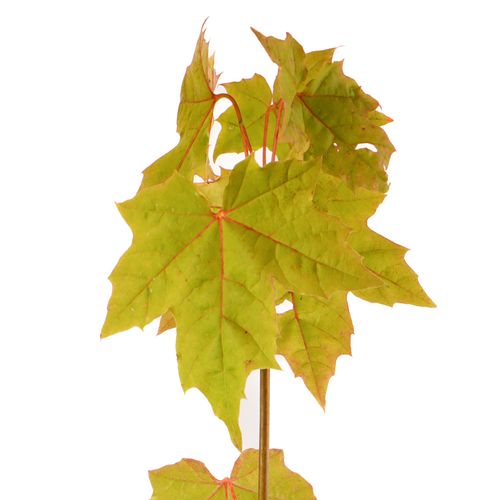
Broadleaf tree seeds from Elsoms in the UK — trusted species for forestry, habitat creation and landscaping projects.
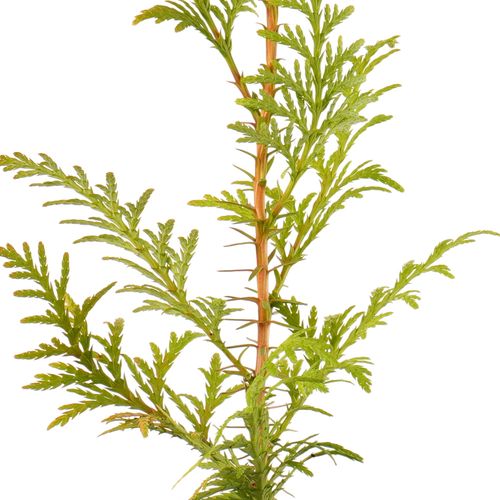
Our conifer tree seeds deliver consistent quality - supporting long-term forestry, shelterbelt and timber objectives
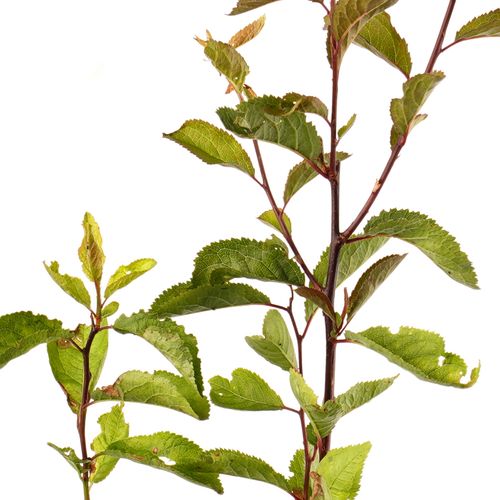
Native shrubs seed that enhance habitats, strengthen planting schemes, and provide year-round ecological value.
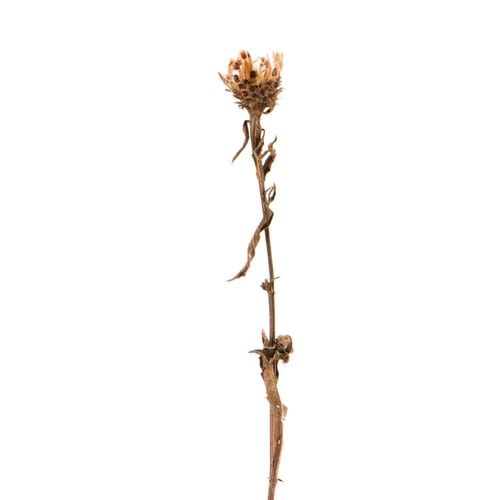
Our wildflowers can be tailored to specific environments, used as understory & marginal planting, boosting pollinators and support regeneration goals.
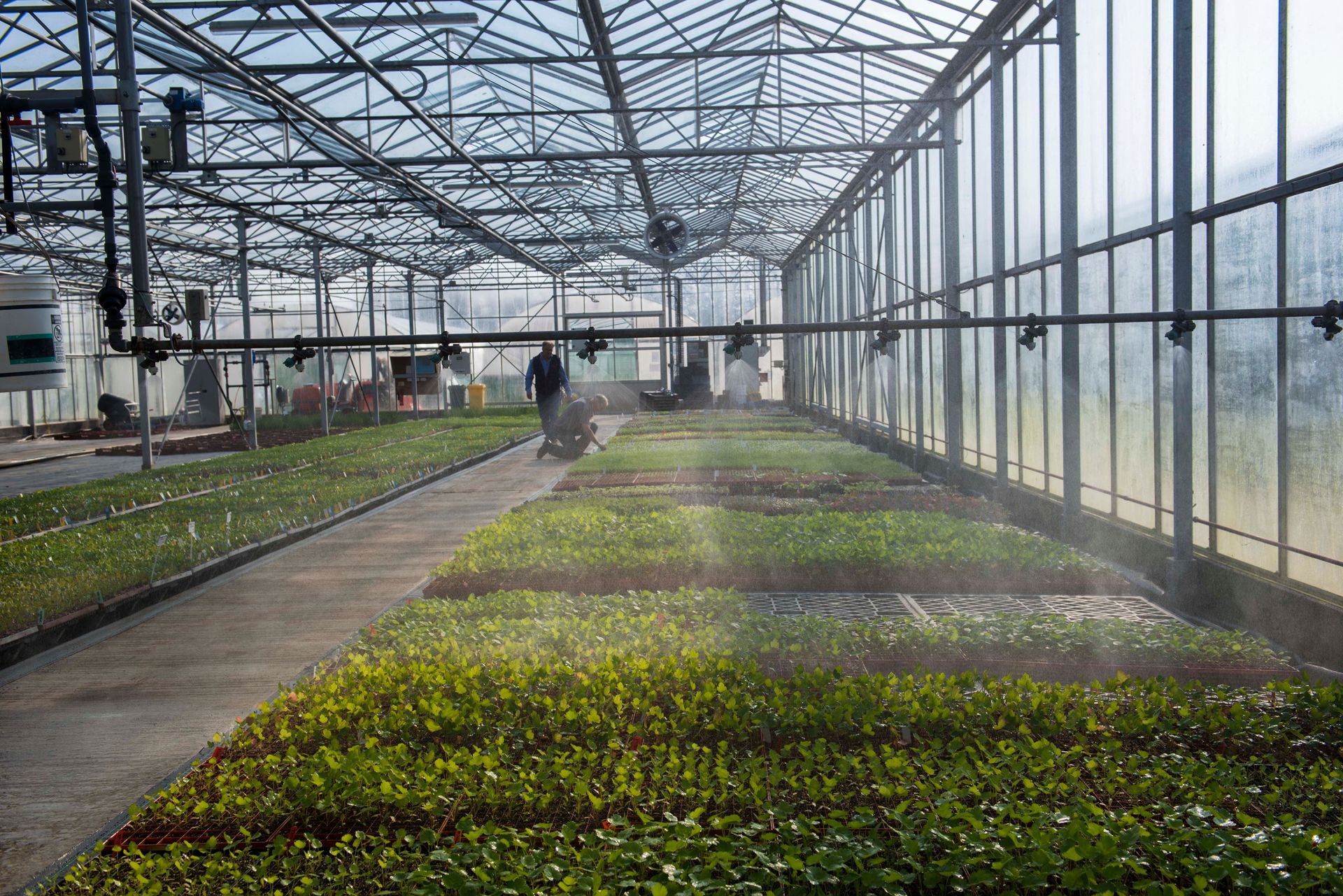

Discover Elsoms
Whether you’re looking for advice, products, or partnerships, our team is here to help